NZ's 208: Black Caps' Rollercoaster Innings vs India Analyzed in a Thrilling Encounter
The electrifying atmosphere surrounding an India Vs New Zealand Live match always promises high drama, and the recent T20 encounter was no exception. As fans tuned in, eager to witness cricketing prowess unfold, the Black Caps delivered an innings that swung between aggressive brilliance and periods of strategic muddle, ultimately posting a competitive total of 208 runs. This score set the stage for a compelling run chase, leaving both teams with valuable insights and lessons learned from a fascinating display of T20 cricket.
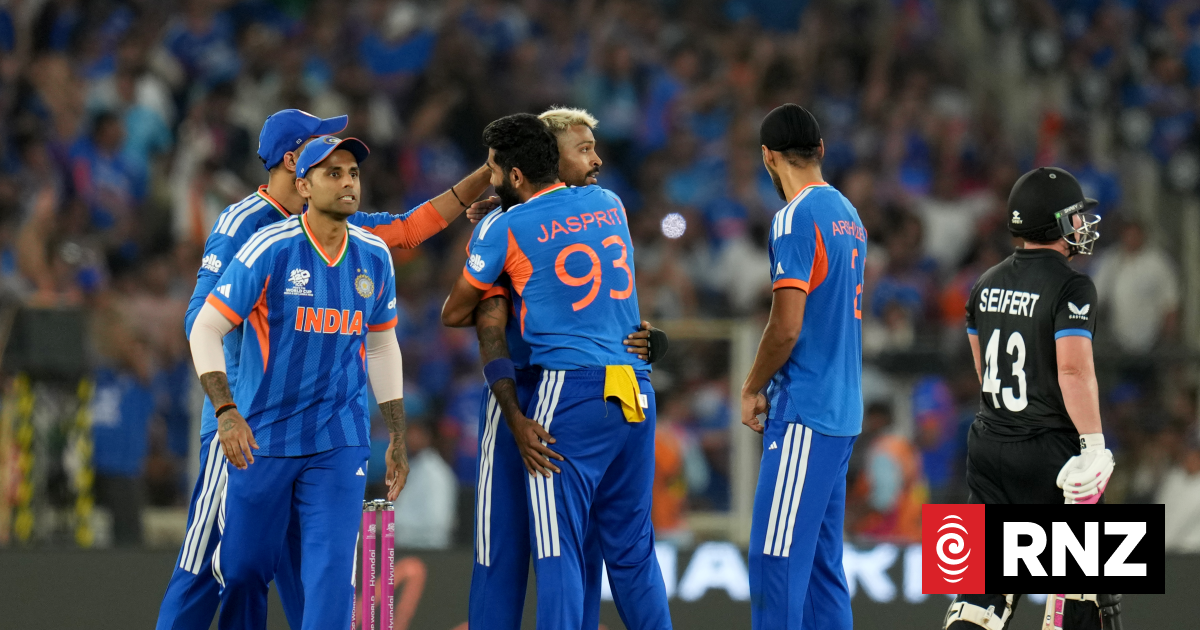
From the outset, New Zealand's intent was clear: attack. Despite the pressure of playing in India, a new opening combination featuring Tim Seifert and Devon Conway came out swinging, demonstrating an aggressive approach from ball one. This fearless strategy immediately put India's bowlers under the pump, with paceman Arshdeep Singh, in particular, bearing the brunt of their early onslaught. The Powerplay saw the Black Caps rack up quick runs, establishing a strong foundation that suggested a massive total was on the cards. However, cricket is a game of shifting fortunes, and India, known for their resilience, were quick to find their rhythm and strike back.
The Blistering Start and India's Strategic Counter-Punch
The early exchanges were dominated by New Zealand's openers. Tim Seifert and Devon Conway, entrusted with setting a rapid pace, executed their roles with precision and power. Their partnership was a testament to modern T20 batting, aiming to maximize the Powerplay restrictions and put India's bowlers on the defensive. Boundaries flowed freely, and the scoreboard ticked over at an impressive rate, creating a palpable sense of excitement for spectators following the India Vs New Zealand Live action.
However, India's bowling unit, despite the initial pressure, showed commendable composure. Recognizing the need to break the dangerous opening stand, the Indian captain orchestrated strategic bowling changes and field adjustments. This tactical shift paid dividends as India managed to bag both openers, bringing a halt to the initial fireworks. While the Black Caps still finished the Powerplay strongly, India had successfully disrupted their momentum, proving that even in the face of an onslaught, calculated aggression can be countered with smart cricket. The dismissals were a result of a combination of excellent bowling and perhaps a fraction too much ambition from the New Zealand batters, highlighting the fine margins in T20 cricket.
Mid-Innings Momentum: Phillips, Ravindra, and Spin's Web
Following the loss of their openers, New Zealand needed to consolidate and rebuild. This responsibility fell to Glenn Phillips and Rachin Ravindra, who stepped up admirably. The duo showcased a different facet of T20 batting, focusing on smart rotation of strike alongside well-timed boundaries. They stitched together a rapid 55-run stand, demonstrating their ability to keep the scoring rate healthy while navigating the middle overs. Their partnership was crucial in ensuring that the early momentum wasn't entirely lost, and the Black Caps remained on course for a formidable total. Fans watching the India Vs New Zealand Live broadcast would have appreciated the blend of power and precision displayed.
Yet, the Indian spinners, true to their reputation, began to exert their influence. Once the third-wicket partnership was broken, the dynamic of the innings shifted considerably. The home side's spinners, adjusting their lines and lengths masterfully, consistently bowled outside the hitting arc, forcing the New Zealand batters to reach for the ball. This strategy proved highly effective in curbing the scoring rate and creating opportunities for wickets. The Black Caps found themselves struggling to build another significant stand, entering a "middle muddle" where scoring became a challenging proposition. This phase saw a few dismissals stemming from batters attempting to go across the line against the turning ball, a common pitfall on subcontinental pitches. India's strategy was to starve the batters of easy boundaries and induce false shots, a classic example of spin bowling dominance.
- Strategic Spin Bowling: India's spinners focused on bowling wide, making batters stretch and limiting their ability to free their arms.
- Batting Struggles: New Zealand's middle order found it difficult to rotate strike and hit boundaries against the tight lines.
- Breakthroughs: This pressure led to wickets, preventing any significant partnership from developing.
Navigating the Middle-Order Muddle and Late Flourish
The period following the departure of Phillips and Ravindra proved to be New Zealand's most challenging phase. Reduced to 129/5 with more than seven overs still remaining, the Black Caps needed a significant acceleration to post a competitive total. Batsmen like Mark Chapman struggled to get going, finding it difficult to find the gaps and rotate the strike effectively against India's disciplined bowling. This inability to build momentum placed immense pressure on the incoming batters.
However, demonstrating the depth and resilience of the squad, captain Mitchell Santner stepped up to the challenge. After a somewhat scratchy start, Santner "flicked the switch," unleashing a flurry of aggressive shots that injected much-needed impetus into the innings. His ability to accelerate under pressure was crucial in preventing a total collapse. He was ably supported by Zakary Foulkes, who chipped in with a valuable contribution, ensuring that New Zealand didn't lose their way entirely. This late surge was a testament to the Black Caps' never-say-die attitude, transforming a potentially underwhelming total into a respectable one.
The final three overs were a masterclass in death-over batting from the Black Caps, yielding a remarkable 47 runs. This late flourish showcased their power-hitting capabilities and ensured they finished with 208 runs on the board. While they were 111/3 at one point and managed to score 97 runs off the back 10 overs, the team would still reflect on the opportunities missed during the "middle muddle" that prevented them from reaching an even more imposing target. Nevertheless, hitting 208 was a significant achievement, setting up an intriguing India Vs New Zealand Live chase.
Analyzing the 208 Target: Mixed Feelings and Key Learnings
As the innings concluded with New Zealand posting 208, India's camp was undoubtedly experiencing mixed emotions. On one hand, they would be disappointed with the finish, particularly the expensive death overs that allowed the Black Caps to cross the 200-run mark. After removing key batters like Ravindra, Mitchell (though Daryl Mitchell's brilliance was seen in another match, notably his century in the ODI win over India), and Phillips, the home side would have reasonably hoped to restrict the total to under 200. The late surge by Santner and Foulkes highlighted an area for improvement in India's death bowling.
On the other hand, considering the explosive start New Zealand had, India could view their effort as a recovery, preventing an even larger, potentially match-winning total. The strategic adjustments made in the middle overs, particularly by the spinners, were commendable and yielded crucial wickets. The dismissal patterns provided valuable insights: New Zealand's batters often got out trying to force the pace by going across the line, while India found success by keeping the ball outside the hitting arc, forcing the batters to reach and commit errors.
For New Zealand, the innings underscored the importance of maintaining momentum through the middle overs and avoiding significant slumps. While the finish was strong, the periods of struggle could have been minimized. For India, the primary learning was to refine their death bowling strategies and maintain pressure throughout the entire 20 overs, even after picking up key wickets. Both teams gleaned valuable learnings from this high-octane encounter, setting the stage for more thrilling contests in the ongoing India Vs New Zealand Live series.
The Black Caps' innings was a compelling narrative of T20 cricket – an initial burst of power, a period of tactical wrestling, and a dramatic late acceleration. Posting 208 runs against a strong Indian side is a commendable effort, providing their bowlers a defendable total and adding another thrilling chapter to the storied rivalry between these two cricketing nations. The stage is now perfectly set for India's chase, promising more edge-of-the-seat action for fans globally.